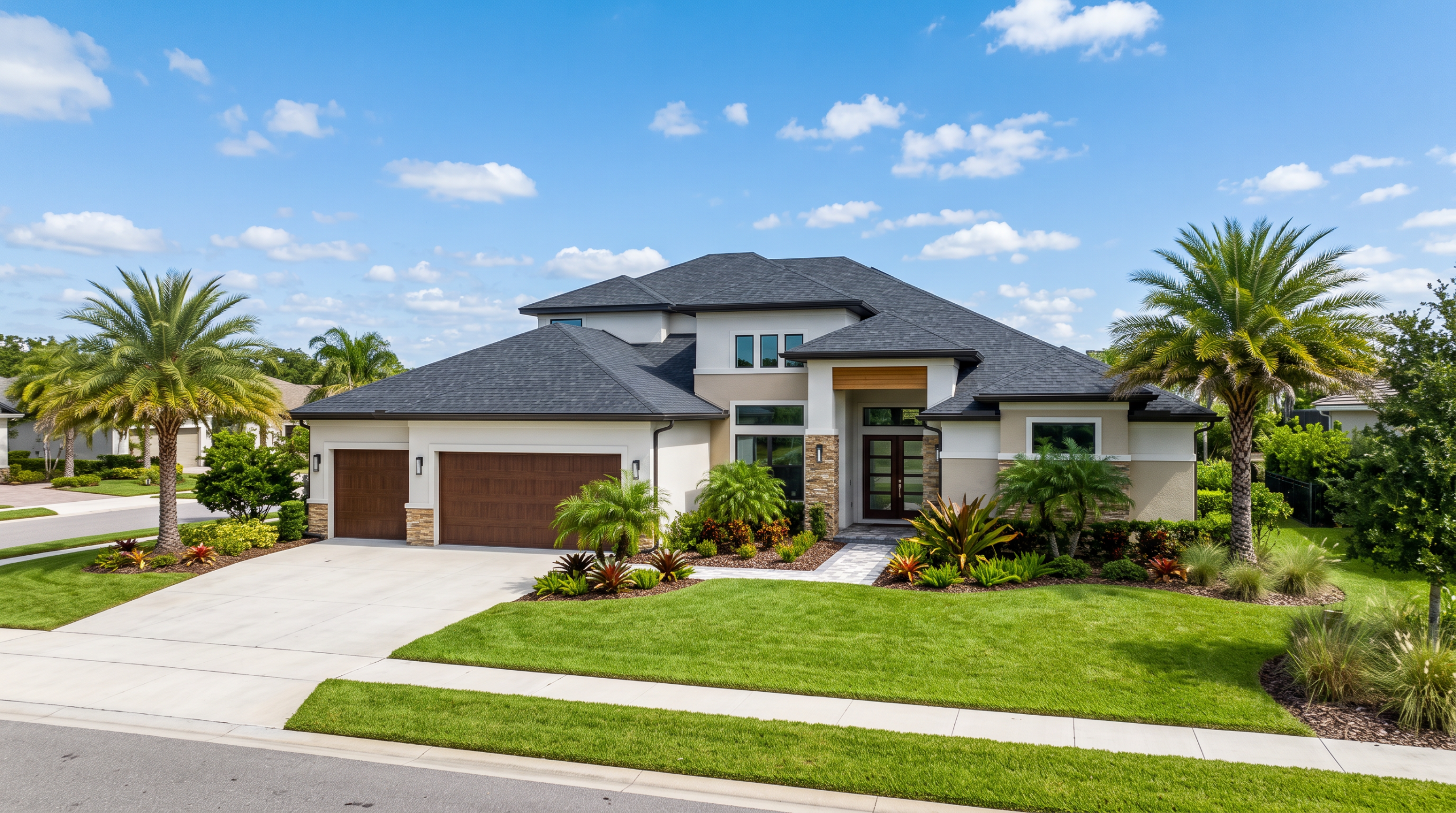
You step outside into your Orlando driveway with three contractor proposals on your kitchen counter, looking up at your roofline under the midday sun. One neighbor has dark architectural shingles, another has terracotta barrel tiles, and a house down the street just installed standing seam metal. Selecting the best roof material for Florida homes comes down to how each option handles relentless heat, tropical winds, structural load, and neighborhood guidelines.
Every roofing material brings distinct physical characteristics to a Central Florida home. No single choice fits every property, and understanding the practical differences helps you select what aligns with your home rather than what an aggressive sales pitch pushes.
How Florida sun and summer heat affect each material
Solar radiation in Central Florida puts continuous thermal stress on roof coverings throughout the year. The surface temperature of a roof can climb significantly higher than the ambient air temperature during July and August afternoons.
Asphalt shingles absorb solar heat directly into the attic structure beneath them. While modern reflective granules help reduce surface heat absorption, asphalt remains a heat-retaining material that expands and contracts during daily temperature swings. In contrast, concrete and clay tiles create natural air channels underneath their curved shapes, allowing air to circulate between the deck and the tile surface. This airflow helps dissipate heat before it transfers downward into your living spaces.
A standing seam metal roof in Florida reflects solar radiation effectively, especially when coated with factory-applied cool-roof finishes. Metal panels shed thermal energy quickly once the sun drops below the tree line in the evening, cooling the attic faster than thick masonry or heat-absorbing asphalt.
Wind ratings and storm resistance across shingle, tile, and metal
High winds from summer squalls and tropical weather systems test roof attachment methods across our region. When evaluating tile vs shingle roof Florida options, attachment specifications and deck fastening become primary considerations.
The product wind rating is printed directly on manufacturer technical documents and product approvals. Reading these documents gives you verified performance data rather than marketing claims. Modern architectural asphalt shingles carry high wind test ratings when installed with proper nailing patterns, reinforced starter strips, and approved underlayment. In extreme gusts, shingle tabs can lift if adhesive strips lose grip over time.
Tile roofs rely on mechanical fasteners, foam adhesives, or mortar set attachments. While individual tiles resist wind pressure well, high-speed turbulence can dislodge individual pieces if an attachment point fails. Metal roofing panels with concealed fasteners lock together continuously, eliminating exposed screw heads where wind or driven rain could work a seam loose.

Structural weight and roof deck requirements for heavier materials
Weight on the framing structure is a major engineering difference among roofing types. Your home must be capable of carrying the dead load of the chosen material.
Asphalt shingles and metal panels represent lightweight coverings that most standard residential trusses handle without structural modification. A standard plywood or oriented strand board deck supports these materials cleanly under local building code standards.
Clay and concrete tiles are heavy materials. A square of tile weighs several times more than an equivalent square of asphalt shingle. If your home was originally engineered and built for shingles, switching to concrete or clay tile requires a structural engineering review to verify that the trusses, load-bearing walls, and foundation can support the additional weight. Local building departments require this verification before issuing a building permit for a material conversion.
Neighborhood look, architectural style, and HOA rules
Your property sits within a specific architectural context, and many Central Florida communities enforce strict community guidelines. Reviewing your homeowner association rules before signing an agreement prevents costly rework or rejected permit submittals.
Many subdivisions in Lake Nona, Winter Park, and Clermont maintain approved lists of acceptable roof coverings, profiles, and color palettes. Some associations mandate concrete barrel tile to preserve a Mediterranean aesthetic, while others prohibit standing seam metal panels or restrict metal finishes to specific muted earth tones.
Architectural shingles fit nearly every neighborhood standard due to their traditional appearance and wide range of neutral colors. Checking your bylaws and securing written architectural review committee approval means the work can go ahead without a dispute with the association.

Maintenance needs and cleaning considerations
Florida humidity, summer rain, and tree canopy coverage create conditions where algae, moss, and debris accumulate on roof surfaces. Each material requires a distinct care approach from the ground.
Asphalt shingles often develop dark streaks from airborne algae spores. While these streaks are aesthetic, aggressive pressure washing strips protective granules from the shingles and damages the water-shedding surface. Tile roofs can collect organic grime in the seams and valleys between tiles, which may require soft washing with approved cleaning solutions to keep water channels clear.
Metal roofs shed organic debris readily because their smooth vertical panels give leaves and moss fewer places to catch. However, walking on metal or tile roofs can dent panels or crack tiles, so surface inspections should remain visual checks conducted from the ground or left to trained professionals with safety gear.
What factors change the price of your roof installation
The total price of a roof replacement in Central Florida varies based on several project specifics rather than the material alone. Planning your project means looking at the full assembly requirements.
Key variables that alter project scope include:
- Roof pitch, slope geometry, and the number of dormers, valleys, or penetrations that require custom flashing.
- The condition of the underlying roof deck sheathing after tear-off and whether damaged plywood requires replacement.
- The type of secondary water resistance barrier selected, such as self-adhering peel-and-stick membrane underlayment.
- Permit fees, local municipal inspection requirements, and waste disposal logistics.
The manufacturer warranty terms and the product wind rating are detailed on official product documents, and reading them carefully gives you clear information on material coverage and installation standards. Your written contract will include the notices Florida requires, so read them before you sign and ask questions about every line item.
Frequently asked questions
Can I switch from an asphalt shingle roof to a tile roof?
Switching to tile requires verifying that your home trusses and framing can support the heavy dead load. An engineer or building official must confirm structural capacity before a permit is approved.
Do HOA rules in Central Florida limit which roof material I can install?
Yes, many homeowner associations specify approved materials, color selections, and panel styles. You should review your neighborhood bylaws and obtain written architectural review approval before scheduling work.
Where can I find the official wind rating for a specific roofing product?
The wind rating appears on the manufacturer specification sheet and the Florida Product Approval document. A roofing contractor with a state license can provide these approval numbers for your review.
SkyShield Roofing Pros provides free roof inspections with detailed photos and written, itemized estimates for homeowners across Orlando and Central Florida. Every full roof replacement includes required city permits, manufacturer warranties, and our 10-year workmanship warranty. We serve our neighbors in English and Spanish with clear communication from inspection to completion.
Leave a Reply